
Update:
This was a decent bread, but it was made even better by WHISKING the dough with my mixer's wire whisk for three minutes without the salt and the yeast, followed by a 15–30 minute rest. Add the salt and yeast, and then WHISK again, until the dough climbs the hooks or 3 minutes has passed (whichever comes first). The dough will get too hot whisked longer than that, and can result in the bread not coming together.
If you add yudane to this recipe, by taking 25 grams of the flour and mixing it with 50 grams of boiling water (from the main water or in addition — it depends on how adventurous you are), it will make it even better.
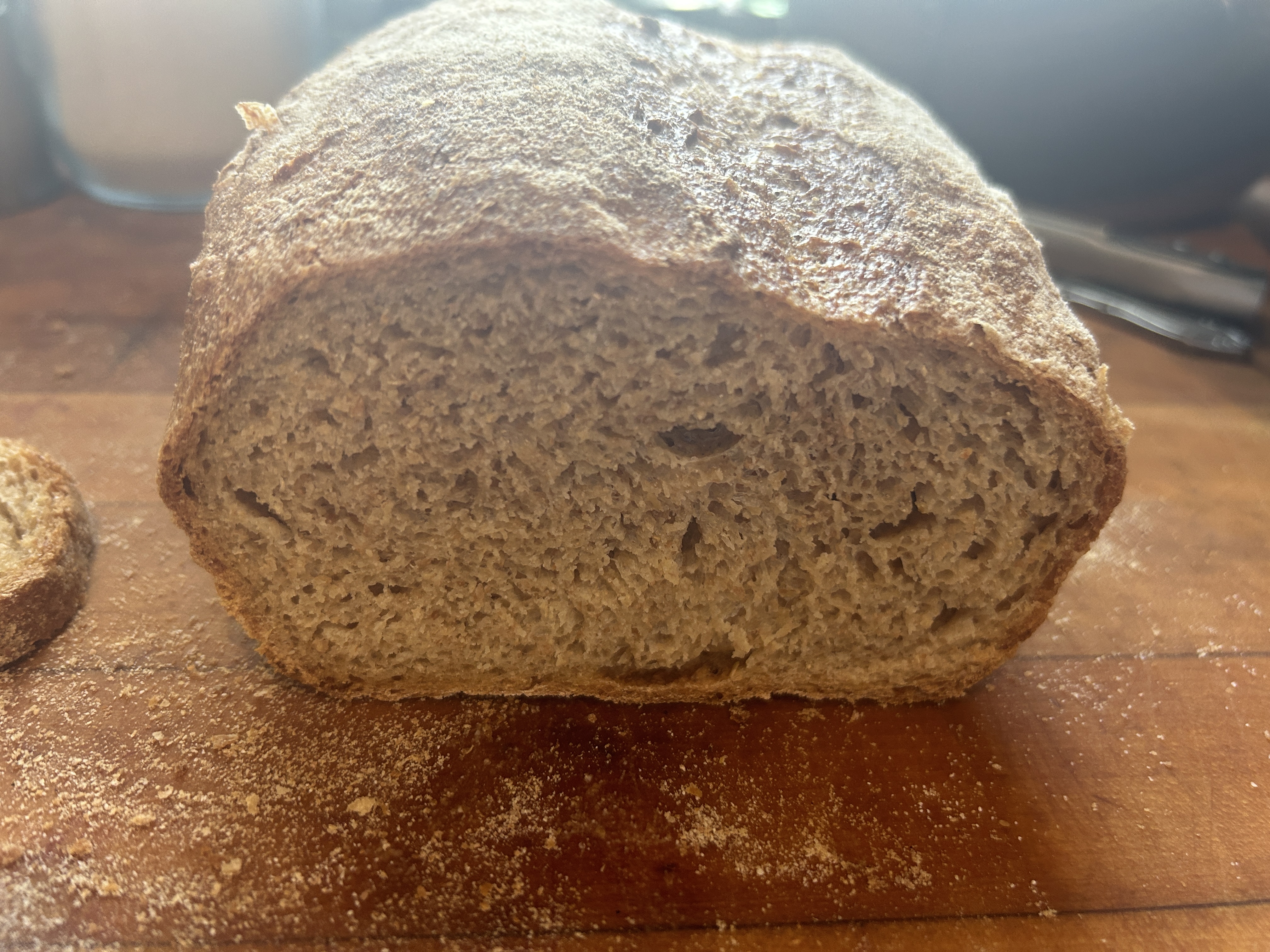
Soft and chewy, crusty Italian bread is a delight once you've mastered the art of baking it. That thick, crunchy yet chewy crust paired with a moist, soft interior—it's what dreams are made of!
Cultural Significance of Italian Bread
Crusty Italian bread is deeply embedded in Italian culture, where bread holds a sacred place at the dining table. Throughout history, Italian bread has symbolized sustenance, community, and tradition. Families gather around crusty loaves to share meals, dip into olive oil and balsamic vinegar, or sop up rich pasta sauces. It's not just a food item but a cultural emblem that connects generations through its timeless appeal and artisanal craftsmanship.
Regional Varieties
Italy's diverse regions boast a spectrum of bread varieties, each with its unique characteristics. From the chewy ciabatta of Tuscany to the hearty pane di Altamura from Puglia and the airy focaccia of Liguria, Italian bread showcases regional ingredients and baking techniques. Crusty Italian bread, often characterized by its rustic appearance and robust flavor, varies in shape and texture across the country, reflecting local culinary traditions and agricultural practices.
What Took You So Long?
My family enjoys the basics: sandwich bread, rolls, flatbread, pizza, and sweet treats. While I experiment with special loaves like jalapeno and cheddar sourdough, they prefer simple pleasures. Cinnamon rolls? They're all in. But what they truly crave is plain, fluffy bread with a soft crust.
This rustic Italian bread is different—it features larger holes and a soft, almost chewy crumb encased in a thicker, crunchy crust. Perfect for dipping into soups or pairing with pasta as garlic bread.
Inspirational Friends
My friends Eric and Lisa were eager for this crusty Italian bread after seeing a video using refined all-purpose flour. I adapted my approach, like preheating the Dutch oven and extending baking time even after the bread reaches 190°F, which helps remove excess moisture and enhances texture. I expect to refine this recipe further, but it's already a winner.
If you're short on time for stretch and folds, mix the rustic Italian bread dough in a mixer and refrigerate until convenient. Preheat the oven, possibly perform one set of stretch and folds, then bake—the process is mostly hands-off.
Baking without a Dutch oven (AKA Open Bake):
Special thanks to Monique from Lovely Bell Bakes for sharing her method of shaping and baking this Italian bread recipe without a Dutch oven:
Preheat oven to 450°F with a baking steel or pizza stone inside. Place a metal pan on the bottom rack and pour in boiling water once preheated.
Place loaves on parchment paper, score them, then place in the oven and generously spray with water before closing.
Bake at 450°F for 20 minutes, remove the water pan, then bake at 425°F for an additional 20 minutes.
Monique also shared a helpful video demonstrating shaping techniques for this high hydration crusty Italian bread dough:
If you're in the mood for a super soft daily bread, try our Beginner's Bread Dough recipe
Never baked bread before? Check out my guide on The Freshly Milled Bread Method
Join our Online Community
Ready to ditch recipes and learn more about baking with fresh milled flour using methods and your imagination? Join my Fresh milled Flour Methods group. You can ask questions, share your wins, and more with an expectation of honesty and friendly interaction. I hear it’s the best place to be on Facebook.