
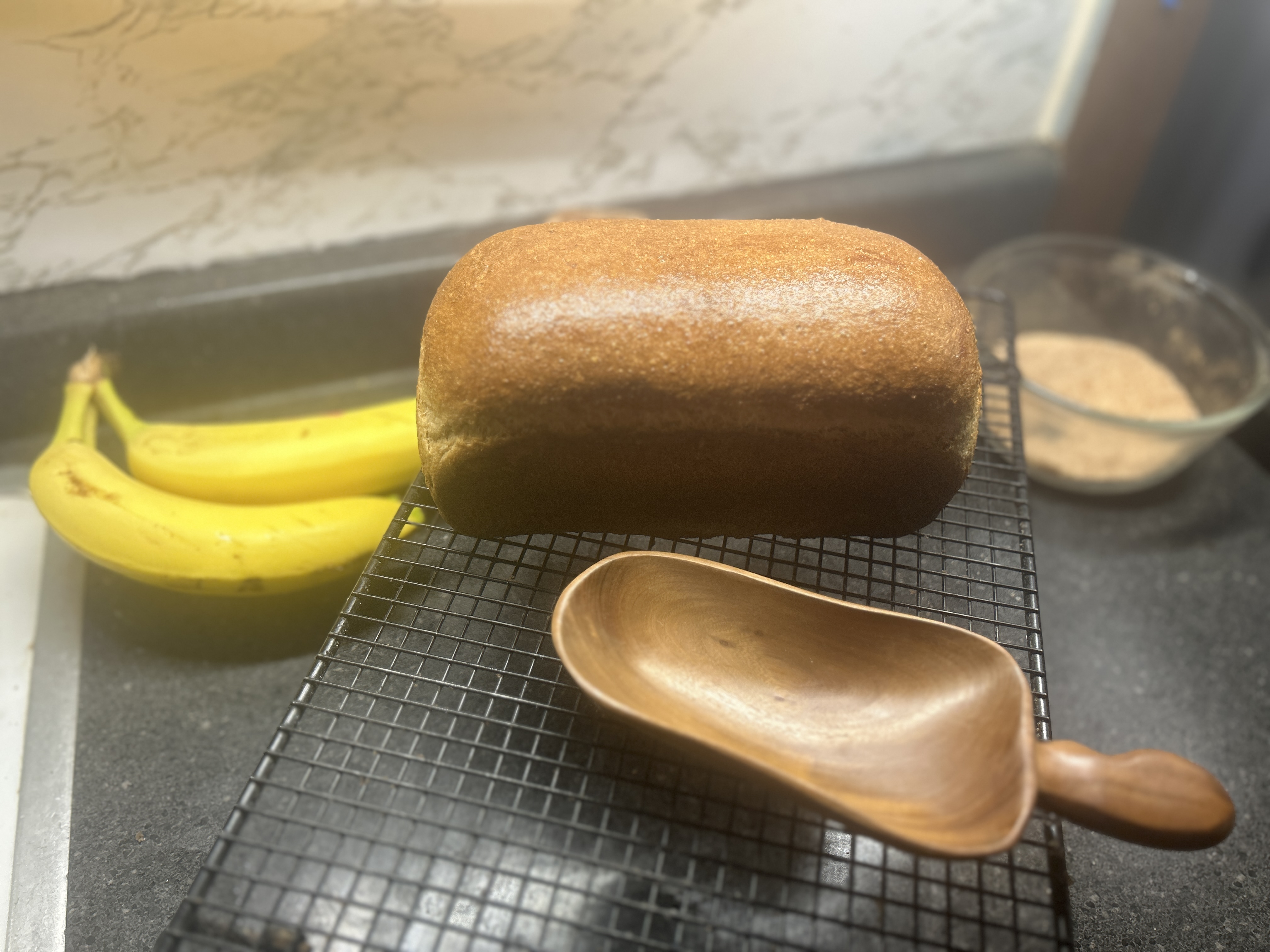
Healthier Blood Sugar Levels
In today’s world, bread has become more than a daily staple—it’s often a sweet indulgence. With many bread recipes packed with sugar and fat, it’s no wonder that blood sugar levels can spike, even with homemade baked goods. Recently, I’ve been experimenting with a Continuous Glucose Monitor (CGM), and to my surprise, even freshly milled flour bread with added sugars (as in my apple cider donuts) sent my glucose levels soaring. This got me thinking about the bread our ancestors used to eat, and how we eat today.
YouTube video: Why you don't need extra sugar in your daily bread
History of Lean and Enriched Bread Dough
In the 1800s, before the advent of commercial yeast and highly refined flours, people only ate enriched bread—those with fats, eggs, and sugar—on special occasions. Their daily bread was lean, simple, and naturally nourishing. This inspired me to experiment with making a healthier version of enriched bread—one that’s soft and delicious, but without all the added sugars.
After all, today folks want super soft, fluffy sandwich bread notorious for having a bunch of sugar (natural or not). Plus, I tested the recipe using my new Kitchen In a Box stand mixer, which, despite its small size, did a decent job. This post is a fun exploration of how you can create flavorful, soft bread using freshly milled flour, while cutting out unnecessary sugars from your daily loaf.
How to Make a Soft, Daily Bread that’s Slightly Sweet?
The highlight here is going to be my quick, no wait yudane.
It sweetens in flavor as the starches gelatinize, which doubles as making your bread a little sweeter AND moist. Knead it properly, and it won’t be crumbly—it’ll be delicious and nutritious so you can save the sweets for other things.
While sugar in this bread recipe is totally not necessary, you can add up to 10 grams of a natural sweetener like date syrup to the dough if you prefer. It’s just enough to give the yeast a boost, and not have it all left over for you and your loved ones.
Looking to cut the Fat?
You can totally leave out the olive oil and substitute the whole milk for water, and the bread will still be great. Just replace the oil with water.
If you want to replace your egg with lecithin, add 1 tbsp sunflower lecithin, and up the water by 2–3 tbsp. The lecithin is thirsty, and will suck it up.
Sunflower lecithin: Buy here
The key really is the yudane and the vitamin C.
If you don’t want to use vitamin C powder (ascorbic acid or sodium ascorbate), you can use whole food vitamin C such as Camu Camu powder or Pure Radiance C powder. 1 tablespoon of lemon juice also works well.
Vitamin C, in addition to helping extend the shelf life of your bread, will help soften it making the bread more pliable. It works VERY well with the yudane.
Although it’s not needed, you can always add 1 tbsp organic vital wheat gluten to your bread to make it rise even higher. But I promise you it’s not necessary.
Join our Online Community
Ready to ditch recipes and learn more about baking with fresh milled flour using methods and your imagination? Join my Fresh milled Flour Methods group. You can ask questions, share your wins, and more with an expectation of honesty and friendly interaction. I hear it’s the best place to be on Facebook.