A practical guide to swapping white sugar for natural sweeteners using glycemic load, flavor balance, and smart baking adjustments.
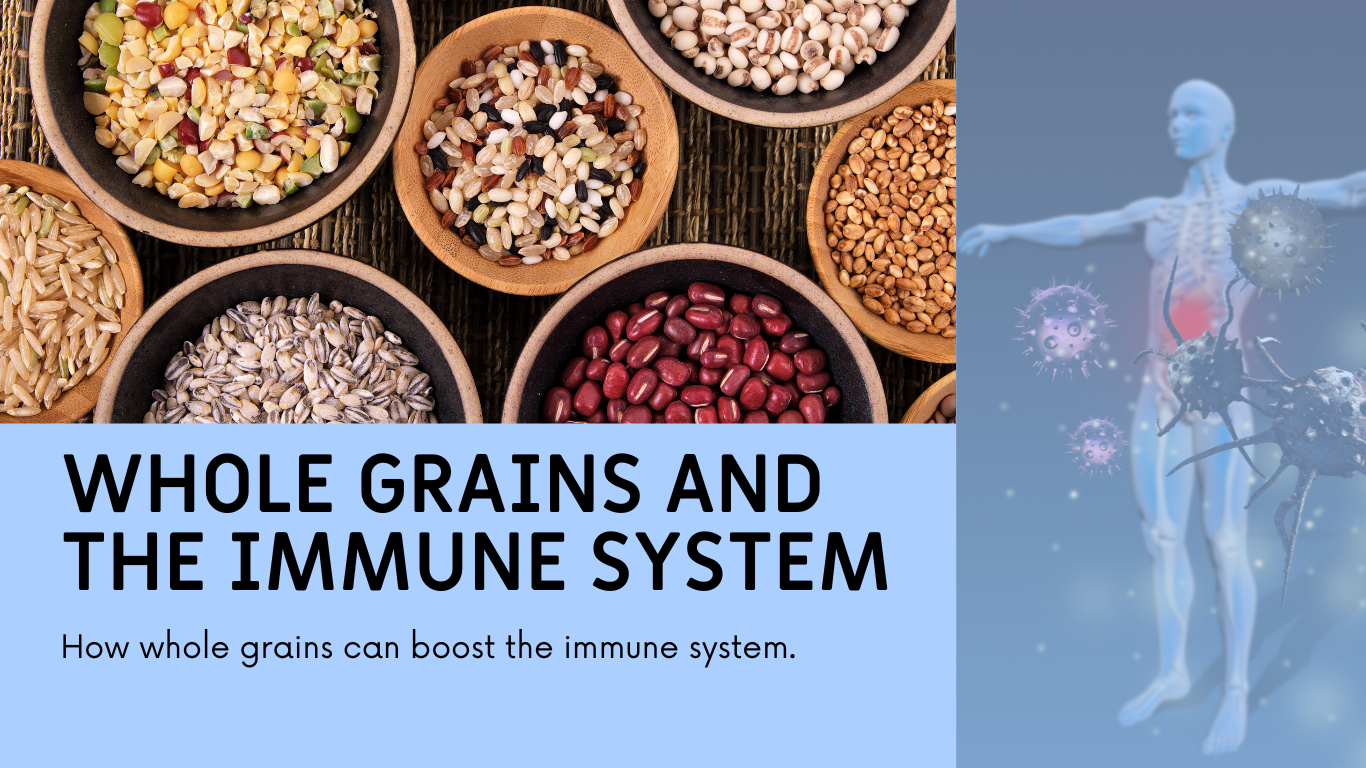
Research suggests that whole grains are beneficial in cancer prevention, particularly for colorectal cancer, but also potentially for other...
Here is a summary of key research studies that support the benefits of whole grains for mental health, including anxiety, depression, and b...
Whole Grain Intake and Diabetes: A Meta-Analysis Reference: Aune, D., et al. (2013). "Whole grain consumption and risk of type 2 diabet...
Dietary Fiber and Autoimmune Disease: Reference: Reynolds, A., et al. (2020). "Effects of dietary fibre supplementation on inflammation...
Dietary Fiber and Immune Function: Reference: Soliman, G. A. (2019). "Dietary Fiber, Atherosclerosis, and Cardiovascular Disease." Nutr...
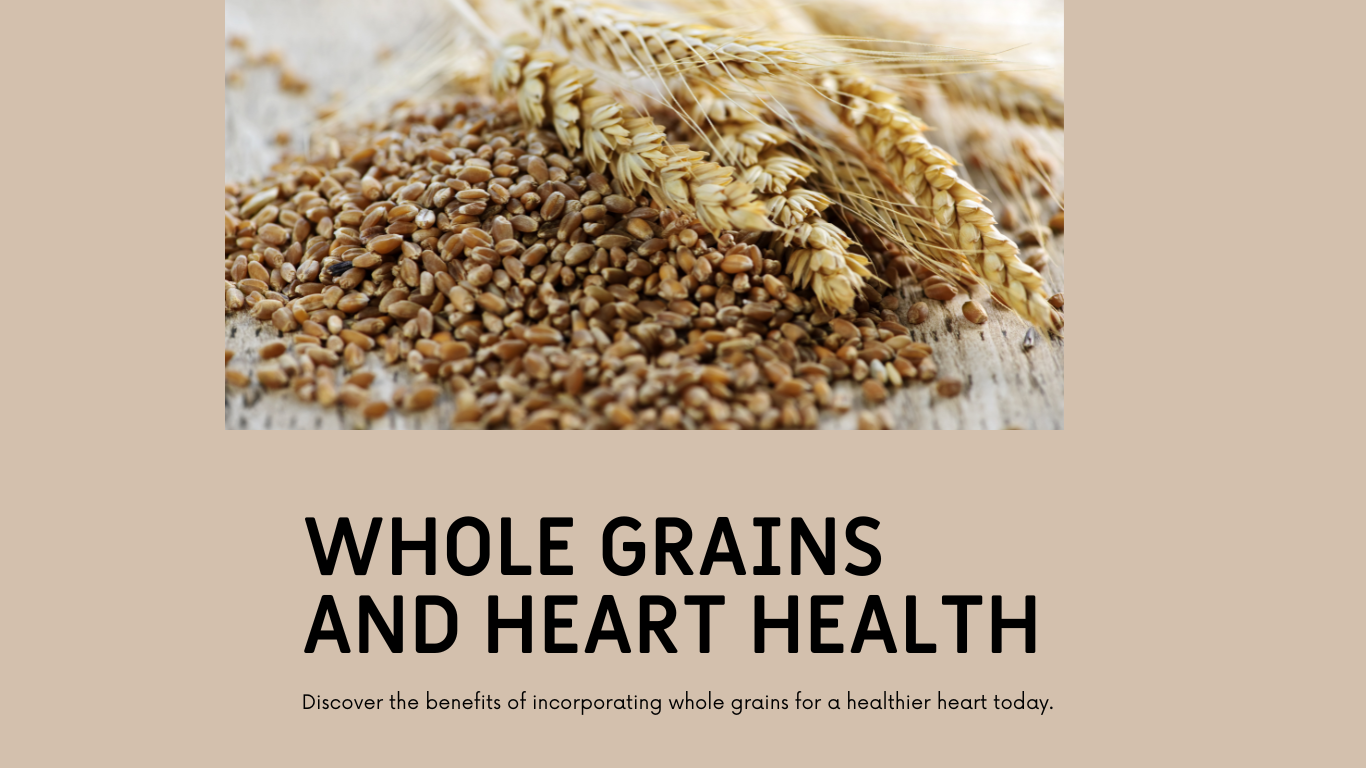
Whole Grain Intake and Cardiovascular Disease: Reference: Mellen, P. B., et al. (2008). "Whole grain intake and cardiovascular disease:...
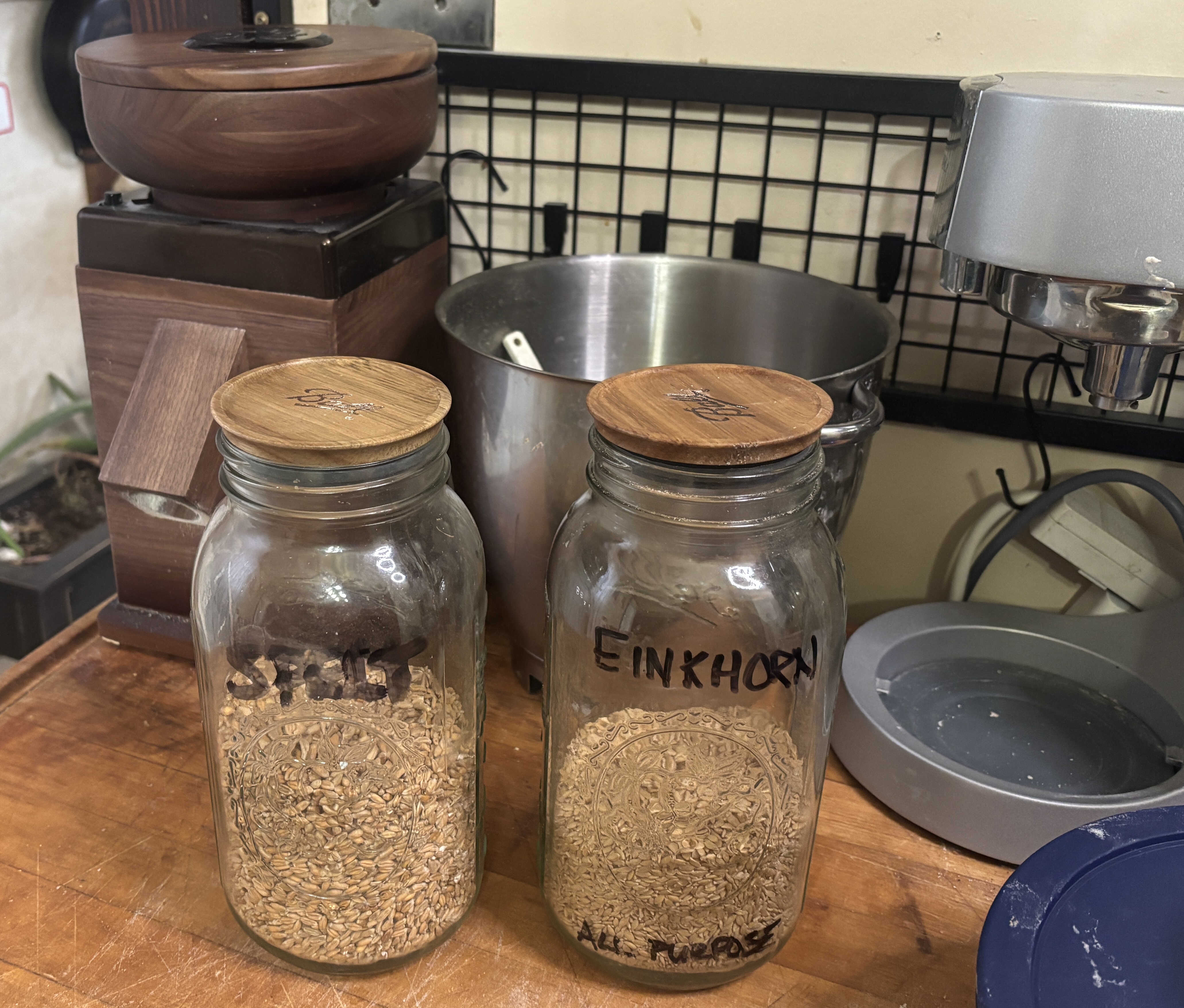
Spelt and Einkorn are both ancient grains — but they bake very differently. Here’s how to choose the right one for fresh-milled whole grain bread, quick breads, and more.
Spelt is a nutrient-dense ancient grain — especially when freshly milled. Here’s how spelt flour compares nutritionally and how to use it in baking.
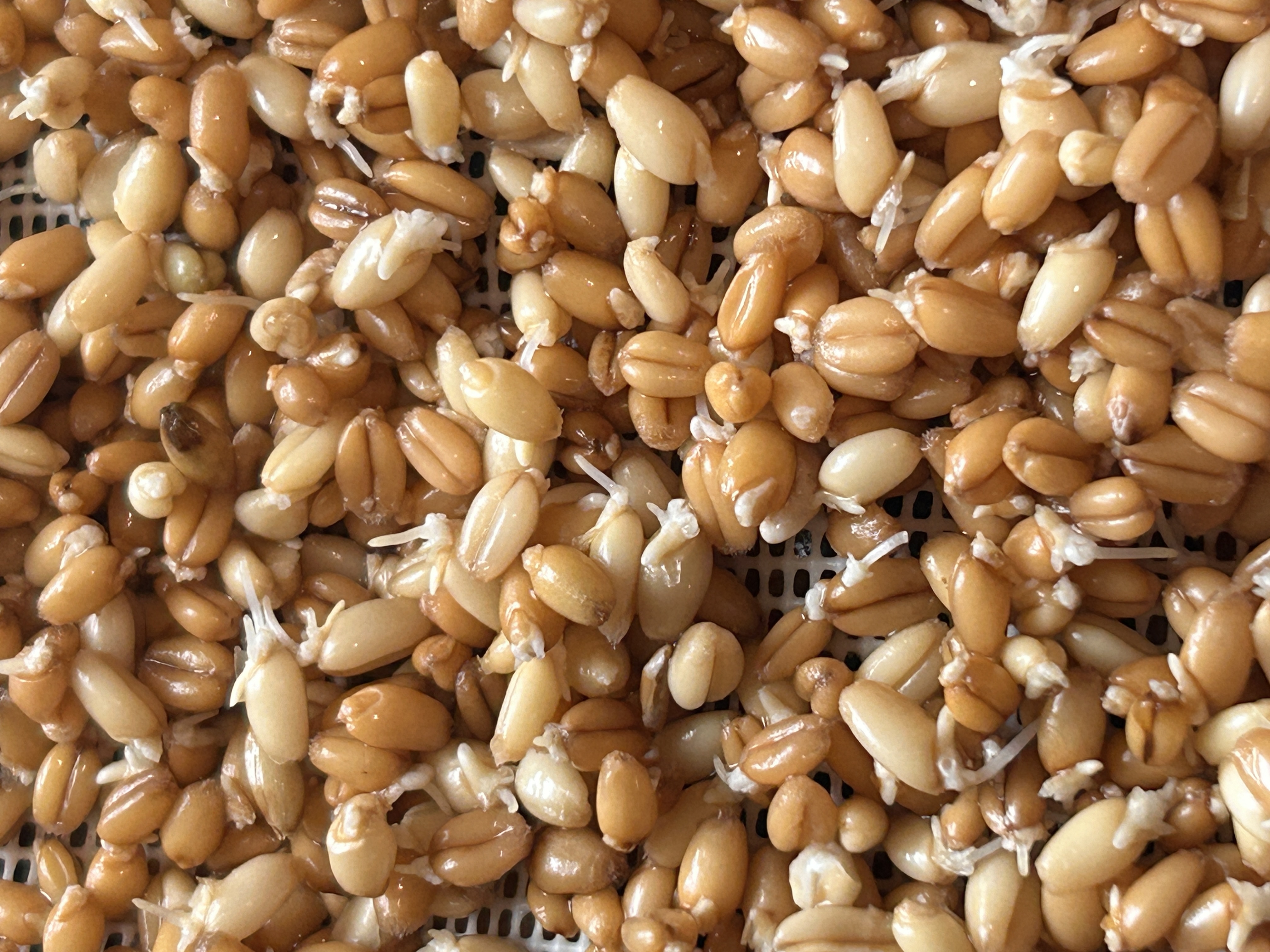
This complete guide shows you how to sprout whole grains for bread, including soaking, drying, storing, and baking with sprouted wheat. Videos and a 100% sprouted bread recipe included.
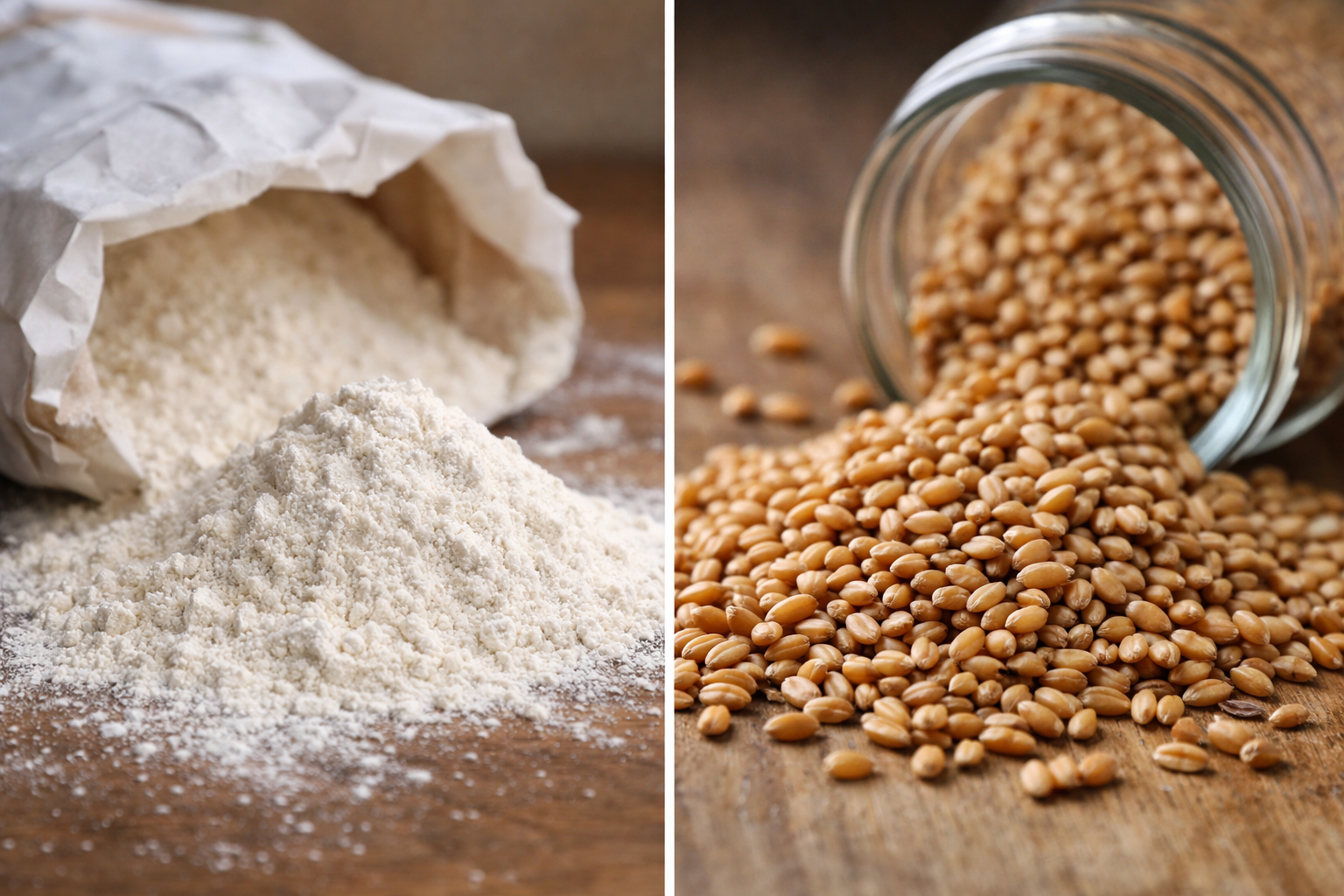
Can’t I just buy organic flour from the store? This is the most common question I get — and the answer isn’t simple. Here’s what actually changes when you mill your own grain, from nutrition and flavor to hydration and texture.