
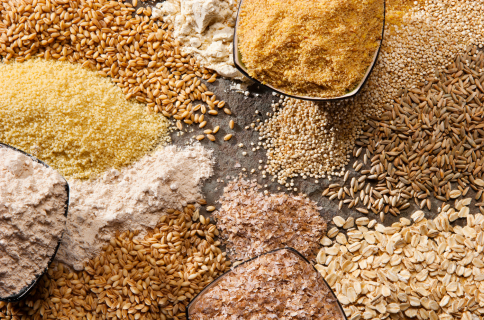
Grains by Category: Choosing What Fits Your Baking
The best grains to buy aren’t determined by rules—they’re determined by what you actually bake. Start with the foods you make most often, then expand as your confidence grows.
Pasta Grains
The hardest grains with the highest protein.
Pasta relies on strength rather than leavening.
Best: Durum wheat
Ancient: Khorasan (Kamut), Emmer
Bread Grains
Strong grains that build a resilient gluten network.
Best: Hard white wheat, hard red wheat (spring or winter)
Ancient: Einkhorn, spelt, rye, plus pasta grains
Pastry Grains
Softer grains for tenderness and lightness.
Best: Soft white wheat, soft red wheat
Ancient: Spelt, barley, rye, gluten-free grains
All-Purpose Flour (Freshly Milled)
For baked goods that are tender yet stable, blend hard and soft grains—often a 50/50 mix.
Einkhorn deserves special mention.
Its softer gluten structure makes it an excellent all-purpose flour when freshly milled, offering both tenderness and structure without complexity.
Start with the grains you use most, then expand as your baking evolves.
How Much Should I Mill?
1 cup of flour is ~ 125 grams
weigh the grains or the flour - doesn't matter
use a gram scale for less dishes and better baked goods
Where Do I Find Grains?
Just Mill It's Guide to Grains
Join our Online Community
Ready to ditch recipes and learn more about baking with fresh milled flour using methods and your imagination? Join my Fresh milled Flour Methods group. You can ask questions, share your wins, and more with an expectation of honesty and friendly interaction. I hear it’s the best place to be on Facebook.