
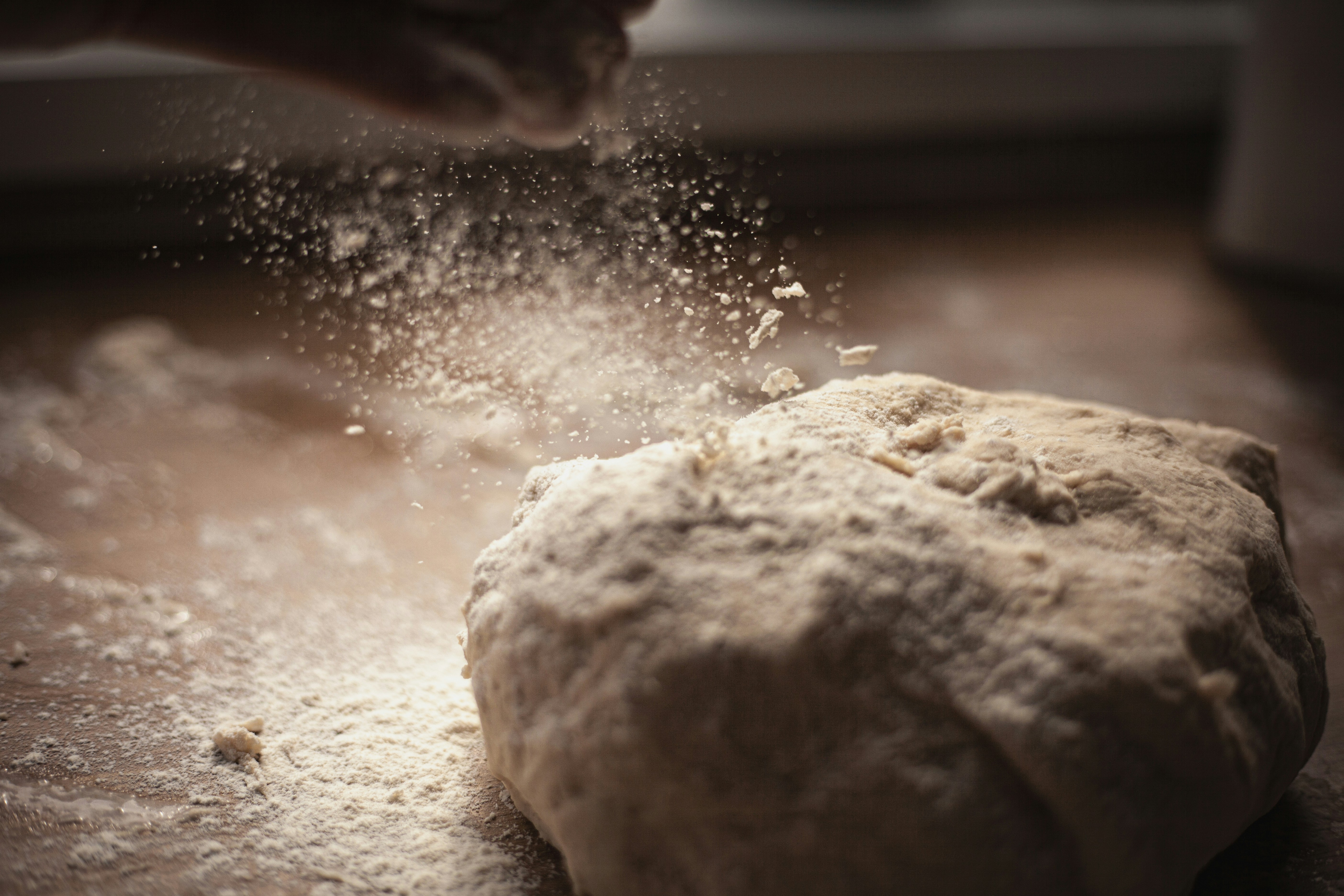
The Fresh Milled Bread Method (Step-by-Step)
Baking with freshly milled flour starts with resetting expectations—especially if you’re used to soft, uniform loaves from the grocery store. Fresh flour behaves differently, and that’s not a flaw. It simply means the process matters more.
That’s why I teach the fresh milled bread method.
This method gives you a clear, repeatable framework so you’re not guessing at each stage. Once you understand the method, you can troubleshoot issues, adjust recipes, and bake with confidence instead of frustration.
Many people have learned to bake successfully with fresh flour using this exact series—and the goal here is to help you understand why each step matters, not just what to do.
Understanding the Fresh Milled Bread Method
All bread—no matter the ingredients—follows the same basic sequence of steps. This sequence is known as the bread method.
What changes from loaf to loaf are:
the type of flour
hydration level
fermentation speed
and how the dough is handled
When you’re baking with freshly milled flour, these variables matter more because fresh flour is more absorbent, more active, and more responsive to temperature and timing.
A clear method keeps you grounded when the dough doesn’t behave the way store-bought flour dough does.
A Note on Starch and Structure (Why Yudane Fits Here)
One of the biggest differences with fresh flour is how the starch behaves.
That’s why many of my bread recipes use Dr. Mel’s Quick, No-Wait Yudane.
Yudane gelatinizes a small portion of the flour at the very beginning, which helps:
improve moisture retention
support structure in whole-grain dough
reduce crumbliness
eliminate the need for additives
It doesn’t replace the bread method—it supports it, especially during mixing, fermentation, and baking.
You don’t need yudane to understand this method, but it fits naturally within it.
Key Steps of the Fresh Milled Bread Method
1. Milling the Flour
Freshly milled flour brings better flavor, aroma, and nutrition than pre-milled flour. It also absorbs water differently and begins changing as soon as it’s milled.
This is why timing, hydration, and early dough structure matter more than they do with commercial flour.
2. Mixing & Kneading
Mixing brings the ingredients together; kneading develops gluten and structure.
With fresh flour:
gluten development looks different
the dough may feel stickier at first
hydration often increases as the dough rests
Techniques like yudane are especially helpful here because they support structure early without over-kneading.
3. Fermentation (The First Rise)
Fermentation builds flavor and strength.
Fresh flour often ferments faster than commercial flour, which means:
the clock matters less
the dough itself matters more
Learning to read dough—volume, feel, and elasticity—is one of the most important skills in fresh-milled baking.
4. Punching Down the Dough & Scaling
Gently deflating the dough redistributes gases and yeast activity.
This step isn’t about “knocking the life out of the dough”—it’s about:
evening out fermentation
improving crumb structure
preparing the dough for shaping
Scaling ensures consistent loaf size and even baking.
5. Shaping
Shaping creates surface tension, which supports oven spring and crumb.
With fresh flour, shaping matters more than people expect. Good shaping helps the dough hold its structure instead of spreading or collapsing during baking.
6. Proofing (The Second Rise)
Proofing prepares the dough for the oven.
Fresh flour dough is less forgiving here—over-proofed and under-proofed dough behave very differently once baked. Learning to recognize readiness (instead of relying on time alone) is key.
7. Baking
Baking sets the structure of the bread.
Temperature, steam, and timing affect:
crust thickness
crumb texture
moisture retention
Fresh milled bread often benefits from intentional temperature choices rather than one-size-fits-all baking advice.
8. Cooling & Storing
Cooling finishes the baking process internally.
Cutting too early can lead to a gummy crumb, while proper cooling and storage help maintain texture and flavor without drying the bread out prematurely.
Why a Bread Method Matters
A bread method gives you a framework.
Instead of wondering what went wrong, you can identify where something changed—hydration, fermentation, shaping, or baking—and adjust intentionally.
To apply this method, you’ll also want a solid beginner's bread recipe designed for freshly milled flour.
Beginner's Fresh Milled Bread Dough
A beginner-friendly fresh milled bread dough with increased hydration and a no-wait yudane method for soft, sliceable whole grain bread.
Join our Online Community
Ready to ditch recipes and learn more about baking with fresh milled flour using methods and your imagination? Join my Fresh milled Flour Methods group. You can ask questions, share your wins, and more with an expectation of honesty and friendly interaction. I hear it’s the best place to be on Facebook.