
Yudane (Without the Wait): The Method I Actually Use
If you bake with fresh-milled whole grain flour, you’ve probably noticed that a lot of standard bread advice doesn’t quite translate. What works for refined flour often leaves whole-grain dough dry, crumbly, or harder to work with.
One of the biggest shifts in my own baking came when I stopped trying to correct whole-grain dough with additives and instead focused on starch behavior. That’s where yudane comes in—and more specifically, the quick, no-wait version I use every time I bake.
This method grew out of two things: impatience and a science brain. And it’s been a total game changer.
What Yudane Is (Without the Fuss)
Yudane is a traditional technique where flour is mixed with boiling water. The heat causes the starches in the flour to gelatinize—they swell, absorb water, and hold onto it more effectively.
That one change leads to:
softer bread
better moisture retention
a more flexible crumb
less crumbling (huge with fresh flour)
Unlike Tangzhong, yudane doesn’t require cooking on the stove. The boiling water does the work.
The Insight That Changed My Process
Once boiling water hits the flour, gelatinization happens almost immediately. That’s the goal.
Cooling the mixture afterward doesn’t create the benefit—it just makes it safe to continue mixing.
So the question became:
If the starches are already gelatinized… why am I waiting?
That question led to the method I now use exclusively.
Dr. Mel’s Quick, No-Wait Yudane
I no longer make yudane ahead of time or chill it in the fridge.
Instead, I build it directly into the dough, using simple percentages that work with any recipe size.
Here’s the framework:
5% of the total flour → yudane flour
10% of the total flour (by weight) → boiling water
All remaining liquid → added cold
The separation between boiling water and cold water is intentional and critical.
The boiling water gelatinizes the starch.
The cold liquid immediately cools the paste so yeast or sourdough starter isn’t harmed.
No waiting. No guessing. No extra steps.
Step by Step: How I Do It
Start your kettle so the water is fully boiling.
Mill the flour for your bread recipe.
Place your mixing bowl on the scale and zero it out.
Add 5% of the total flour to the mixing bowl.
Pour in boiling water equal to 10% of the total flour weight.
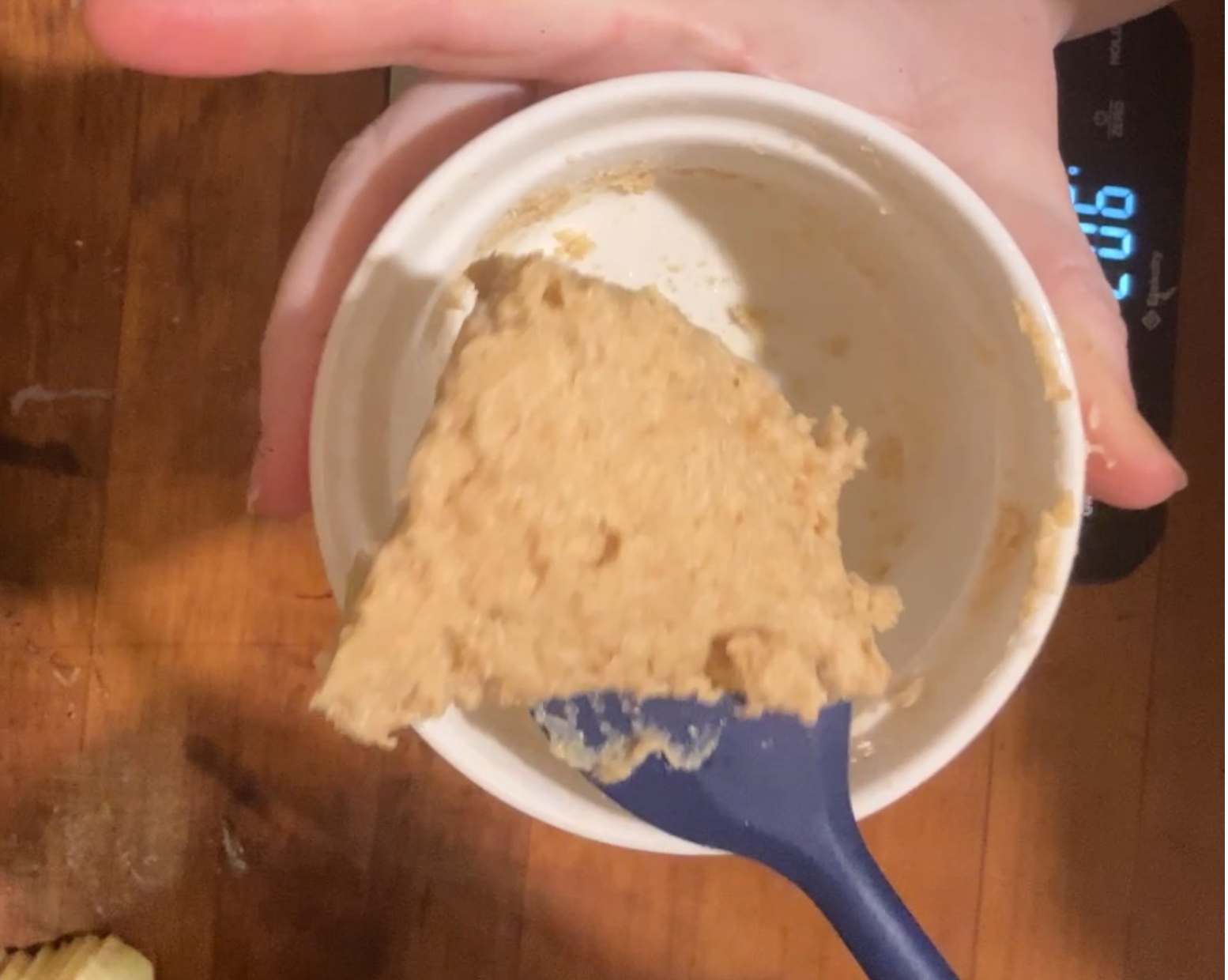
Mix immediately into a thick paste.
Add the cold water from the recipe to cool the yudane right away.
Add the remaining ingredients and proceed as usual.
That’s it. No time wasted.
All of my recipes clearly differentiate between boiling water and cold water so this process stays consistent and repeatable.
Why This Works So Well With Fresh-Milled Flour
Fresh-milled flour absorbs water differently and benefits from early starch support. By gelatinizing a small portion of the flour right at the beginning, you create structure and moisture retention naturally—without relying on:
vital wheat gluten
dough conditioners
extra additives
It’s a simple change with a big payoff.
A Quick Note on Where This Method Is Being Used
I also want to share this, because I think it’s really special.
I taught this quick, no-wait yudane method to Lovely Bell Bakes, and she now uses it in her own baking and teaching. She even references me in one of her articles on making bread with yudane.
I love seeing how she explains it and how she’s helping more people feel confident baking better bread at home. Watching a method move beyond your own kitchen and help other bakers is one of the most rewarding parts of teaching.
That’s how this craft grows.
A Note on Blood Sugar
Because gelatinized starch is more readily available, yudane-enriched bread can raise blood sugar more quickly for some people.
If that’s a concern:
use smaller yudane percentages
pair bread with protein and fat
or incorporate soaked or cracked grains
Context always matters.
Why I Keep Using This Method
This version of yudane fits real life.
It works with fresh flour.
It works with yeast and sourdough.
It keeps the ingredient list clean.
Most importantly, it helps people make better bread without over-complicating the process.
And once you try it this way, it’s hard to go back.
Beginner's Fresh Milled Bread Dough
A beginner-friendly fresh milled bread dough with increased hydration and a no-wait yudane method for soft, sliceable whole grain bread.
Join our Online Community
Ready to ditch recipes and learn more about baking with fresh milled flour using methods and your imagination? Join my Fresh milled Flour Methods group. You can ask questions, share your wins, and more with an expectation of honesty and friendly interaction. I hear it’s the best place to be on Facebook.