
Lecithin in Bread: What It Does (and When You Actually Need It)
You’ll often hear that lecithin helps improve gluten structure in bread. While that’s true, it’s not the biggest—or most important—thing lecithin does.
Lecithin’s primary role in bread is as an emulsifier. It helps fats and water mix together and stay mixed, which leads to:
a softer crumb
better moisture retention
improved shelf life
That’s especially noticeable in enriched doughs that contain fat.
What Lecithin Actually Is
Lecithin is an emulsifier, meaning it helps water and oil stay combined—similar to what egg yolk does when you make mayonnaise.
If someone chooses to use store-bought lecithin:
Powdered lecithin works best in bread
Liquid lecithin is better suited for very oily mixtures (like vegan mayo)
Typical usage is around 1% of total flour weight
That said… buying lecithin usually isn’t necessary.
Natural Sources of Lecithin From Your Kitchen
Most home bakers already have excellent sources of lecithin on hand.
Egg Yolks
Egg yolks contain roughly 1.5 grams of lecithin per yolk. In bread, this helps:
keep fats and liquids evenly distributed
make the crumb more pliable
reduce cracking and crumbling
This is why enriched dough traditionally includes eggs—they naturally support structure and softness without added ingredients.
When Lecithin (or a Substitute) Makes Sense
In my opinion, lecithin—or something that acts like it—makes the most sense when:
you’re making vegan enriched bread
you can’t use eggs
eggs are scarce or unavailable
In those cases, I’d still look to whole-food options first, such as:
tofu or soy milk pulp (okara)
sunflower seed or nut butters
These provide emulsifying support without turning bread into a chemistry experiment.
Replacements for Lecithin in Bread
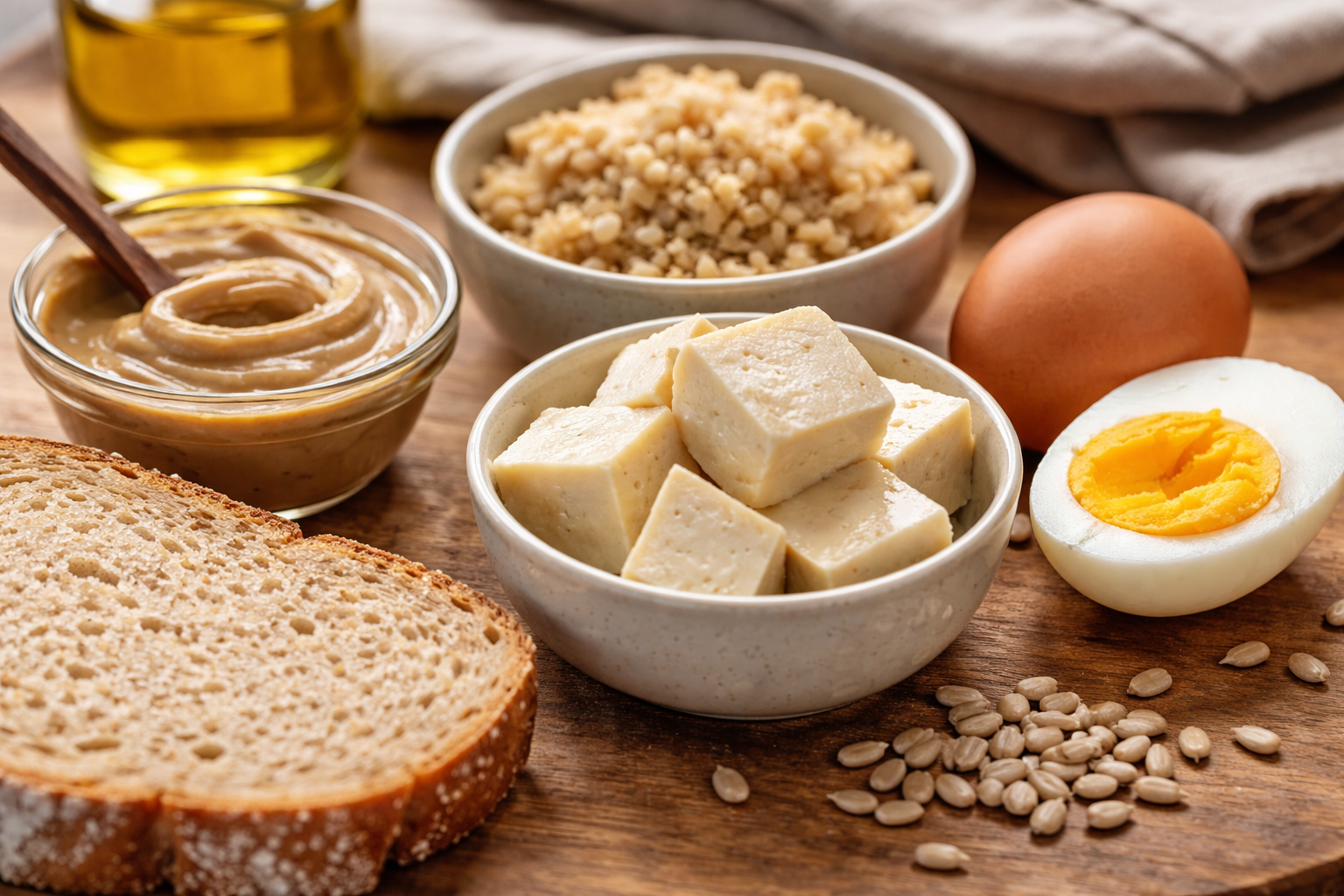
If you guessed egg—specifically egg yolk—you’re absolutely right.
Before buying lecithin, I recommend trying:
one or two eggs in your dough
40 grams of tofu
30 grams of okara
25 grams of sunflower seed butter
Pay attention to how the bread feels and how long it keeps on the counter. Most people find this solves the problem without needing an additive.
Your kitchen, your rules.
Recommendations (If You Choose to Use Lecithin)
Some bakers prefer sunflower lecithin over soy. If you do go this route, I recommend choosing organic, especially when adding ingredients to bread.
A commonly recommended option is:
Micro Ingredients Organic Sunflower Lecithin
That said, I no longer use lecithin in my own bread recipes. Once I dialed in hydration, fermentation, and techniques like yudane, it simply wasn’t necessary.
More on that in another post.
A Related Question You Might Have
Many people who ask about lecithin also wonder about gluten strength and additives. If that’s you, this article may help:
Join our Online Community
Ready to ditch recipes and learn more about baking with fresh milled flour using methods and your imagination? Join my Fresh milled Flour Methods group. You can ask questions, share your wins, and more with an expectation of honesty and friendly interaction. I hear it’s the best place to be on Facebook.